Designing Print Files: Print File Setup for Professional Printing
Introduction to Print File Setup
In today’s digital age, understanding the intricacies of print file setup is crucial for anyone involved in graphic design or marketing. Whether you’re a seasoned professional or a beginner, mastering this process will ensure your designs translate beautifully onto paper, maintaining their integrity and appeal.
Understanding the concept of Print File Setup for Professional Printing is essential for achieving optimal results in your projects.
Key Elements of Print File Setup
Applying effective Print File Setup for Professional Printing techniques can significantly enhance the quality of your final products.
Mastering Print File Setup for Professional Printing is key to ensuring that your images are clear and vivid.
Different printers have their own guidelines for Print File Setup for Professional Printing, so it’s important to check their requirements.
When setting up a print file, several key elements must be taken into consideration. These include resolution, color mode, bleed, margins, and file format. Each of these aspects plays a vital role in the overall appearance of the printed material. Understanding these elements in detail will help avoid common mistakes and enhance the final output.
Your choice of paper should also align with your Print File Setup for Professional Printing to achieve the desired finish.
Understanding Print File Setup for Professional Printing extends to knowing how to manage file sizes without sacrificing quality.
Collaborative efforts can greatly enhance the Print File Setup for Professional Printing process, ensuring everyone is informed.
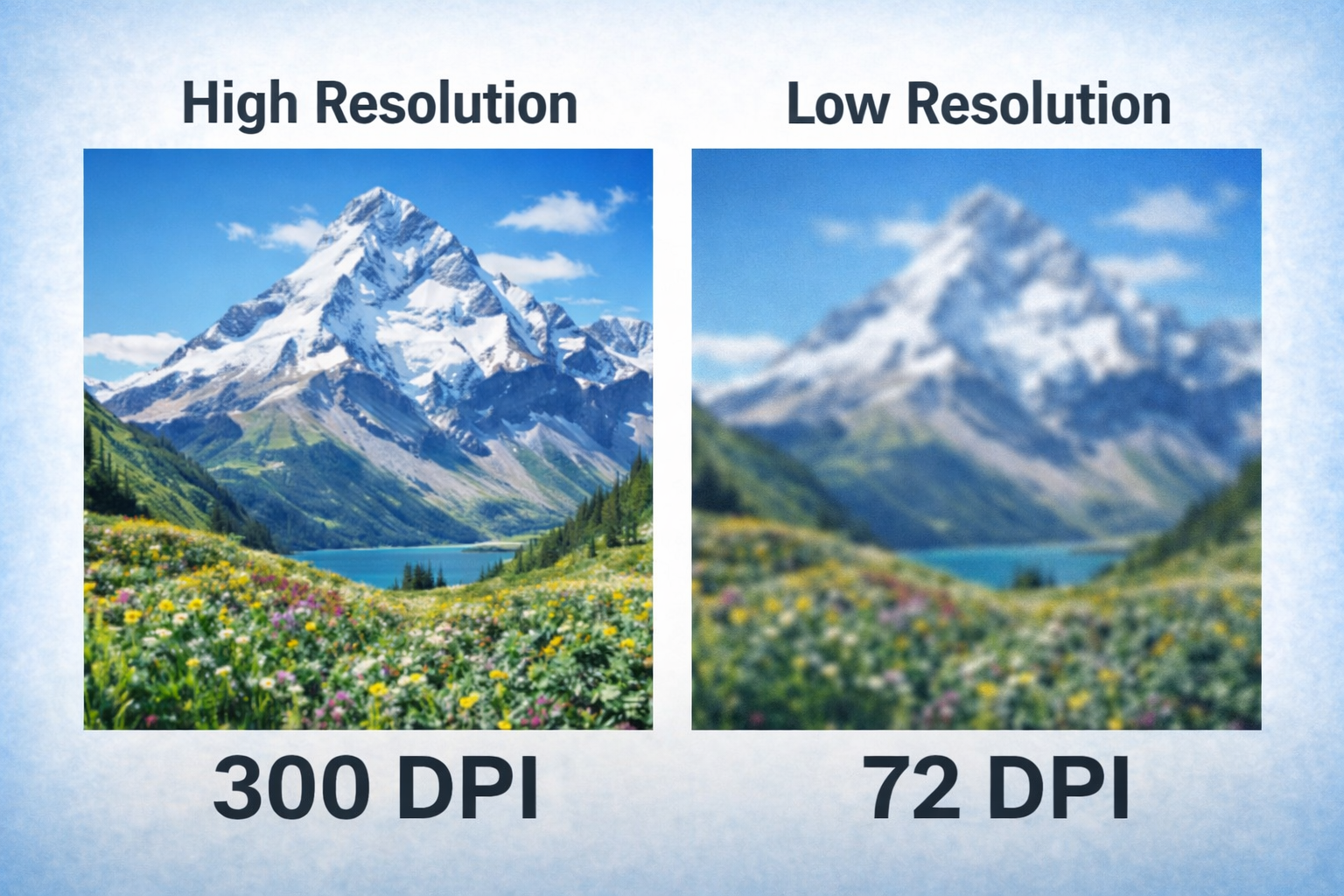
Remember, effective Print File Setup for Professional Printing starts with a resolution of at least 300 DPI.
For instance, when discussing resolution, it’s important to understand the difference between DPI and PPI (pixels per inch). While DPI pertains to the print quality, PPI refers to the resolution of a digital image. Knowing how to optimize both will lead to better results.
Exploring various techniques can enhance your understanding of Print File Setup for Professional Printing.
Staying informed about Print File Setup for Professional Printing can keep your skills relevant in the industry.
Another critical aspect is color correction, which often requires using proofing techniques to ensure colors are represented accurately before the final print. This can be achieved by using soft proofing on-screen or hard proofing with a physical sample, giving a clearer picture of how colors will appear once printed.
Moreover, when discussing bleed, it’s worth noting that different print shops may have varying specifications. Always check their requirements and adjust accordingly to avoid any surprises. Some printers may also allow for a larger bleed for designs that have intricate details near the edges.
It’s also essential to consider the type of paper you will be using. The choice of paper can influence the finish and feel of the printed material, thus affecting the overall perception of your design. Glossy paper can make colors pop, while matte finishes can provide a more subdued, classic look.
In addition to choosing the right file format, understanding compression can also be beneficial. Formats like JPEG can compress files but may lead to a loss of quality, while TIFF maintains high fidelity but results in larger file sizes. Knowing when and how to use each format will help you strike a balance between quality and file manageability.
Furthermore, it’s worth discussing the importance of collaboration when creating print files. Often, designers work closely with printers and clients, and communication about these setups can prevent costly errors and ensure everyone is aligned on expectations.
1. Resolution: The resolution of an image determines its clarity and detail when printed. For high-quality prints, a resolution of at least 300 DPI (dots per inch) is recommended. This ensures that images appear sharp and clear, without any pixelation.
Additionally, it is crucial to keep backups of original files. In case errors are identified during the proofing stage, having access to the original files can save time and enable faster corrections. Cloud storage solutions offer an excellent way to manage these backups securely.
Moreover, understanding the printing process itself can provide valuable insights into how to set up files correctly. For example, different printing techniques, such as offset printing versus digital printing, may have specific requirements that impact file setup.
In addition to following best practices, continuously learning about advancements in printing technology and software can provide a significant advantage. Staying updated on new tools and techniques can enhance your workflow and lead to better outcomes.
Adhering to best practices in Print File Setup for Professional Printing can help in achieving superior outcomes.
Always remember, effective Print File Setup for Professional Printing relies on using the right color mode.
2. Color Mode: The color mode used in a print file can greatly affect how colors are reproduced. The two primary color modes are RGB (Red, Green, Blue) and CMYK (Cyan, Magenta, Yellow, Black). While RGB is suitable for digital displays, CMYK is essential for print files, as it aligns with the color mixing process of printing inks.
Incorporating bleed in your Print File Setup for Professional Printing is crucial to avoid any white edges.
Choosing the appropriate file format is vital in your Print File Setup for Professional Printing strategy.
Always double-checking the margins is part of a thorough Print File Setup for Professional Printing process.
3. Bleed: Bleed refers to the area of the print file that extends beyond the trim line. This is crucial for designs that reach the edge of the paper, as it prevents white edges from appearing in the final printed product. A standard bleed size is typically 0.125 inches.
4. Margins: Setting appropriate margins is important for ensuring that no essential content is cut off during the printing process. A safe margin of at least 0.25 inches is recommended.
5. File Format: Choosing the right file format is crucial for maintaining the quality of the print file. The most commonly accepted formats include PDF, TIFF, and EPS. Each format has its own advantages, with PDF being favored for its versatility and compatibility.
Common Pitfalls in Print File Setup
Ultimately, the effort put into understanding and applying the principles of print file setup translates into a higher-quality result. In a competitive industry, where first impressions matter, ensuring your print files are perfected can distinguish your work from others.
Despite the straightforward nature of print file setup, several pitfalls can occur if proper attention is not given. One common issue is failing to use the correct color mode, which can lead to unexpected color shifts in the final print. This can be particularly problematic for brands that rely heavily on color accuracy.
Another mistake is using low-resolution images, which can compromise the quality of the print. It’s crucial to double-check the resolution of all images included in the print file before sending it to print.
Best Practices for Successful Print File Setup
To ensure a successful print file setup, it is advisable to follow these best practices:
1. Always use CMYK color mode when preparing files for print.
2. Set the resolution to at least 300 DPI for all images.
3. Include bleed in your designs to avoid white edges.
4. Use the appropriate file format for your printing needs.
5. Double-check margins to ensure important content is not cut off.
Conclusion
In conclusion, a meticulous approach to Print File Setup for Professional Printing is essential for achieving high-quality results. By paying attention to resolution, color modes, bleed, margins, and file formats, designers can create print files that not only meet industry standards but also fulfill client expectations. Remember, proper setup not only enhances the final product but also streamlines the printing process, saving time and resources. As you advance your skills, always prioritize quality and precision in your Print File Setup for Professional Printing to ensure the best possible outcomes.
In the world of professional printing, the quality of printed materials hinges significantly on the setup of the print files. This process involves several crucial steps that must be meticulously followed to ensure that the final product meets industry standards and client expectations. A well-prepared print file not only saves time during the printing process but also helps in avoiding costly mistakes. Whether you’re working on a brochure, a business card, or any printed material, investing time in understanding print file setup is invaluable.
Understanding the proper Print File Setup for Professional Printing is crucial for achieving the best results. The meticulous attention to detail can lead to a significant difference in the final output, reflecting professionalism and quality in your work.